





New studies show a sharp fall in organic clicks as summarized answers appear above listings. Top-10 CTR fell from 5.7% in Oct 2024 to 3.66% in May 2025, and rank #1 slid from 10.67% to 7.0%.
“Reduced clicks” means fewer visits even when visibility or mentions rise. For many Indian sites, this shifts SEO goals toward presence and citation, not just pure traffic.
The trend is measurable: CTR, impressions, zero-click rate and feature prevalence move in clear ways, while exact attribution in Google Search Console stays murky.
Expect fast month-to-month volatility. Coverage rates jumped from under 7% to peaks above 24% in some datasets, then settled lower. That volatility changes which queries and industries face the greatest exposure.
Key Takeaways
- CTR pressure is real: top rankings see meaningful declines across datasets.
- Measure clicks, impressions and zero-clicks; attribution inside GSC remains unclear.
- Search behavior shifts mean visibility can rise while traffic drops.
- Certain queries and sectors in India are more exposed; coverage can shift quickly.
- Presence and citation now sit alongside traffic as core SEO KPIs for 2024–2025.
What AI Overviews Are and Why They’re Reshaping Google Search
Search results now place synthesized summaries above the blue links, changing how users act on queries.
Definition: An overview (AIO) synthesizes multiple web sources into a single answer box that sits above paid ads and organic listings on google search. It cites sources and aims to resolve informational intent without sending the user away.
How these summaries differ from featured snippets and other SERP answers
Featured snippets usually extract text from one page. The new summaries combine facts from several sources, not a single snippet. Knowledge panels and People Also Ask still surface facts, but they rarely offer the same multi-source synthesis.
Why “answer engine” SERPs change behavior, visibility, and trust
Because answers are delivered on-page, users often stop after seeing the summary. That compresses the journey from query to resolution and raises zero-click rates.
Ownership vs. ranking: being cited inside an AIO can give a brand visibility even when its blue-link rank doesn’t improve. Source attribution matters for credibility, especially for sensitive medical, legal, or financial topics.
In India, high mobile use and quick-answer habits magnify this effect. Publishers and brands must track both ranking and presence inside the AIO to measure true search exposure.
The State of AI Overviews in 2024-2025: Prevalence and Volatility
Coverage moved fast in 2025—from 6.49% of tracked queries in January to a 24.61% peak in July, then down to 15.69% by November. A separate Oct 2024–May 2025 dataset shows a rise from 6.85% to 29.07%, which backs the “nearly one in three” claim at peak time.
Share of queries that triggered summaries
These numbers show volatility, not a straight trend. Rapid expansion, a mid-year peak, and a partial pullback mean one-time snapshots can mislead planning.
Why reports differ
Different keyword sets, countries, vertical mix, and tracking methods change reported prevalence. Studies that focus on specific industries may see far higher rates—some verticals report near 40% coverage because predictable, fact-based queries are easier to summarize.
Practical planning points
- 6% coverage implies limited traffic risk; 16% raises concern for ROI; 30% signals broad presence changes.
- Track aios presence month-to-month and segment by intent and industry.
- Prevalence is step one; the real question is how click behavior shifts when these summaries appear.
AI Overviews impact: What the Data Says About Clicks and CTR
Data from Oct 2024–May 2025 reveals a marked decline in click-through rates for top results. The top-10 CTR fell from 5.7% to 3.66%, a -36% shift that matters for traffic and revenue.

Why CTR dropped and which rankings lost most
Rank 1 saw the biggest fall: from 10.67% to 7.0% (‑34.4%). Rank 2 fell ~30.9% and Rank 3 dropped ~19.5%. That shows top placement no longer guarantees the same share of clicks.
Zero-clicks versus click redistribution
On identical keywords, zero-clicks actually nudged down from 33.75% to 31.53%. That signals redistribution: some queries lose clicks to the summary box, while others still send users deeper into results.
When summaries don’t raise zero-click and why intent matters
Intent is the key mediator. Straightforward informational queries are often satisfied on-screen and reduce clicks. But complex queries—purchase research or legal comparisons—still drive visitors to organic pages.
Measurement takeaways: track sessions, conversion rate, and revenue per session, not just CTR. For many India-based sites, fewer sessions can mean fewer leads, but higher-value clicks may offset some loss.
Query Intent Shifts: From Informational Answers to Commercial and Navigational Searches
What began as an experiment on factual questions now spans commercial and branded searches. Early adoption favored simple information requests. That made sense while models tested accuracy and sourcing.
Informational still leads, but its share is falling
Informational queries dropped from 91.3% in January 2025 to 57.1% by October. This shift shows expansion beyond pure facts into other types of queries.
Commercial and transactional growth and bottom-funnel disruption
Commercial queries rose to 18.57% and transactional to 13.94%. That growth means product comparisons, “best” lists, and pricing pages now face direct summarization.
Risk: mid-funnel category pages and reviews can lose high-value traffic when summaries condense comparisons.
Navigational summaries and branded query exposure
Navigational presence climbed from 0.74% to 10.33%. Even branded query results can display a summary that sits above sitelinks.
This creates new contest for brand visibility and trust in searches for company names or apps.
- Audit high-CPC product queries in India and map where aios appear.
- Prioritize pages with unique tools, calculators, or local insights that resist summarization.
- Adjust keyword and content strategy to protect conversion-focused pages.
Keyword Patterns That Trigger AI Overviews
Certain phrasing and specificity make a query far more likely to trigger a summary. Search engines favor clear intent, concise definitions, and step-by-step how-to language.
Long-tail vs. head terms
Long-tail keywords often win clicks when nuance matters. Nearly 60% of AIO-triggering keywords have 100 or fewer monthly searches, yet at scale they cost publishers meaningful traffic.
Head terms still appear in summaries, but specificity—local modifiers, measurements, or pricing—helps pages stay relevant and attract clicks.
Difficulty, CPC, and volume trends
Most summaries sit in KD 21–60. Early coverage focused on low-volume, low-CPC queries; now the scope moves toward more competitive terms.
“Map keywords into likely, sometimes, and rare categories to shape content priorities.”
| Keyword Type | Volume Share | Typical KD | SEO Tactic |
|---|---|---|---|
| Definitional / How-to | High (many ≤100/mo) | 20–50 | Clear definitions, numbered steps, citations |
| Commercial / Comparison | Growing | 30–60 | Price grids, local mods, buyer guides |
| Branded / Navigational | Moderate | 10–40 | Structured data, official citations, sitelink hygiene |
Practical plan: tag keyword lists as “likely AIO,” “sometimes AIO,” or “rare AIO,” then prioritize content formats: short definitions, lists, and cited sources. For India, add city/state mentions, “in India,” or INR pricing to reduce generic summarization and improve local clicks.
SERP Feature Overlap: What Appears Alongside AI Overviews
A single on-page answer box frequently coexists with other modules, creating a multi-entry SERP ecosystem. This changes how visibility is divided on a query and which platforms drive attention.
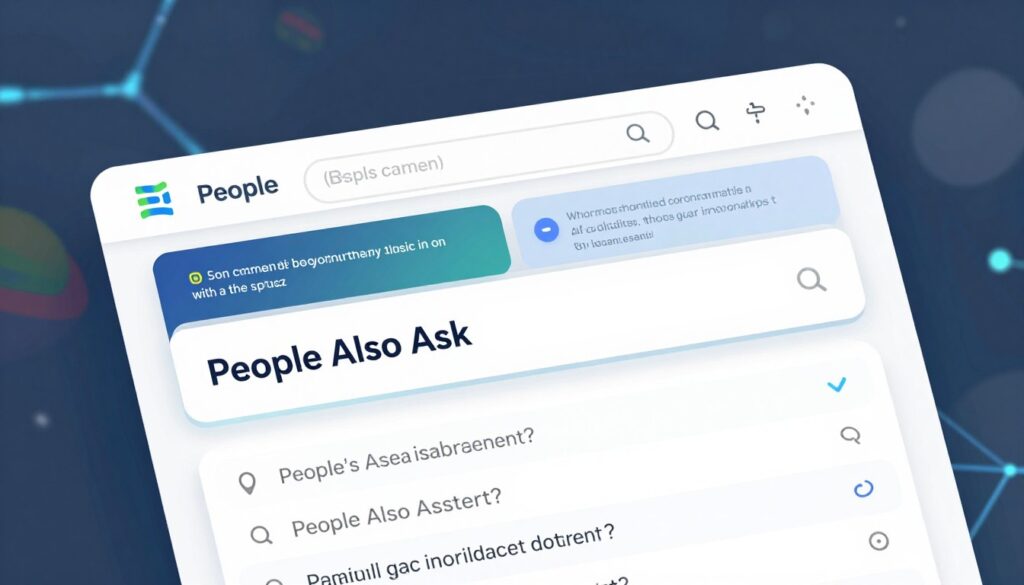
People Also Ask and related searches as near-guaranteed companions
People panels appear on roughly 90.03% of these pages, while related searches show up on about 95.32%.
Why it matters: these features expand query paths and give content more chances to surface even when the main overview lowers blue-link clicks.
Featured snippets, reviews, and video shifts
Featured snippets, image carousels, and organic reviews are less common where summaries appear. Video carousels and forum blocks (YouTube, Reddit) gain prominence instead.
This moves some attention from text snippets to multimedia and community sources.
The rise of google ads on these SERPs
Google ads at the bottom appear on ~25% of these pages, up sharply from earlier months.
Takeaway: stacked ads plus summaries compress organic space. Track feature overlap per keyword cluster to anticipate CTR changes and protect high-value pages—especially on mobile in India, where ad density limits visible organic real estate.
Industry Winners and Losers: Where AI Overviews Are Most Disruptive
Some sectors see far steeper traffic shifts because their queries lend themselves to short, factual summaries. Science tops the list at 25.96%, followed by Computers & Electronics (17.92%) and People & Society (17.29%).
Why some categories are saturated
Topics with clear consensus and structured facts are easiest to synthesize. That makes them highly summarizable and more likely to lose click share.
Rapid expansion and the publisher squeeze
Food & Drink grew fastest since March 2025 (+7.25%). Publishers relying on ad impressions and affiliate links face a monetization squeeze as visibility and clicks compress.
Where summaries appear less
Real Estate and Shopping sit under 3% coverage. Local packs, product grids, maps, and ads already meet intent, preserving clicks and conversions for businesses.
Real-time categories and risk
News and Sports lag because freshness and accuracy are hard to summarize without error. That gives publishers a defensive edge for breaking stories.
Practical guidance for India: prioritize proprietary data, local context, and interactive tools where aios are weaker. Winning now means owning the narrative and earning citations inside summaries, not just ranking #1 for every query.
How to Measure AI Overview Impact in Google Search Console, GA4, and Rank Trackers
Measurement requires a simple, repeatable framework. Combine query-level metrics, on-site session signals, and SERP feature context so teams can act fast.
What Google Search Console shows — and what it hides
google search console delivers reliable clicks, impressions, and average position by query and URL. Use it to spot which pages lose click share and to compare device splits.
Limitations: it does not tag feature-driven traffic separately. Average position can mislead when a feature sits above organic links, so don’t treat position alone as a ranking drop signal.
Using GA4 to detect feature-driven visits
GA4 can capture visits that arrive via fragments or snippet text if you tag those landing links. This method gives a lower-bound estimate of feature-driven sessions.
Practical point: tagging is inconsistent across devices and platforms, so treat GA4 counts as partial evidence rather than a full picture.
Rank tracking: presence, ownership, and base vs feature rank
Use rank tracking tools to report whether a summary appears for a keyword, whether your domain is cited, and your base organic rank. This separates classic rankings from feature-driven visibility.
Ownership metrics to track: share of keywords with feature presence, share where your domain is cited, and citation frequency for priority topics.
Monthly dashboard for India: design and cadence
Build a compact dashboard that layers google search console query data, GA4 session trends, and rank tracker feature flags.
- Segment by device, intent, and business line.
- Show trend lines for presence vs clicks vs conversions.
- Include alerts for sudden prevalence spikes and pages with CTR drops.
Operational points: run weekly alerts and quarterly content refresh cycles for pages that lose visibility or performance. This keeps teams focused on conversion, not just raw rankings.
Conclusion
Summarized answers now shape whether users click, shifting value from rank to citation. This report shows expanding, volatile overviews and measurable CTR falls at top positions. Visibility can rise even as sessions fall.
Prevalence swung from single digits to near 30% at peak, and top-10 CTR dropped from 5.7% to 3.66%. Those numbers matter for forecasting and KPI design because they change how traffic converts into outcomes.
Intent drives results: informational queries face the steepest pressure, while commercial and navigational summaries raise stakes for pipeline and brand demand. For India, prioritize local context, original data, and tools that resist compression.
Measure presence, ownership, and conversions—not just clicks. Treat aios and overviews as tracked variables in your seo strategy. In a post-click world, teams must build visibility and trust at the SERP layer, not chase sessions alone.