




This report sketches the present landscape for businesses in India and worldwide. It explains what AI’s impact on SEO means for teams that must keep visibility and steady growth.
The piece is a trend analysis that covers 13 major changes across traffic, keyword research, content strategy, on-page optimization, authority, brand risk, visual and video, plus tooling.
Readers will learn what to measure, how to prioritize effort, and how to adapt workflows without chasing hype. Expect practical takeaways that protect traffic, lift conversions, and strengthen brand recall.
The biggest shift is not that search marketing is dead. Rather, the mechanics of earning clicks and trust are changing as answer paths compress. This article maps what changed and what stayed the same, so teams can adjust tactics while doubling down on core principles.
Key Takeaways
- Understand 13 concrete changes across search and content workflows.
- Keep core seo fundamentals; they still drive durable authority.
- Measure conversions and traffic retention, not just rankings.
- Prioritize content quality, relevance, and trustworthy signals.
- Adopt tooling that speeds analysis without replacing strategy.
The Current SERP Reality: AI Overviews, SGE, and the New Search Results Page
What used to be a ranked list of links is now a layered results page that delivers immediate answers and citations. This shift alters how people find information and how brands win attention.
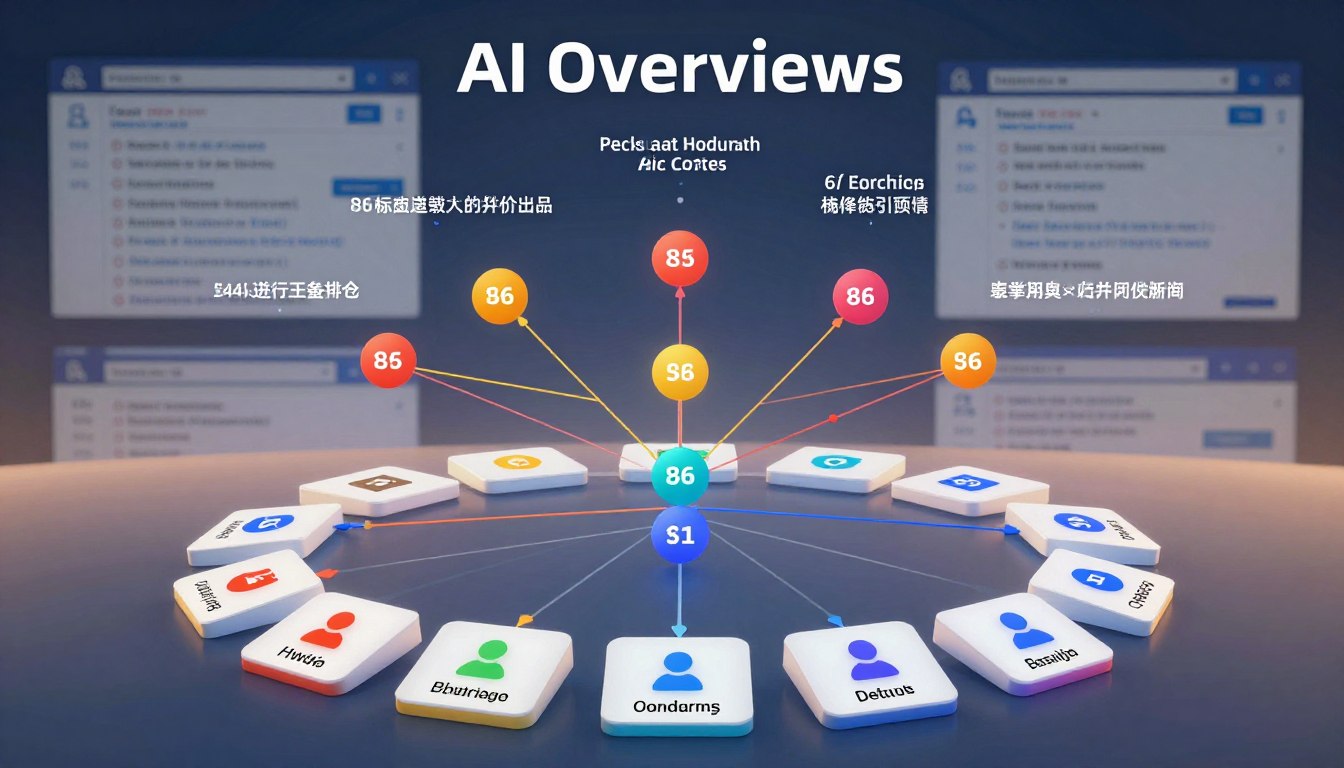
The Search Generative Experience (SGE) launched in May 2023 and has evolved into AI Overviews that synthesize sources directly on the page. These summaries appear above traditional organic listings and change the visual hierarchy of search results.
From SGE to present: synthesis and citation behavior
The core change is on-SERP synthesis. Overviews compile snippets, then cite origins instead of sending every user to a site. That shift matters more than any single new feature.
Zero-click searches and user journeys
Modern zero-click searches happen when a person gets enough detail without leaving the results. Examples include quick definitions, short comparisons, and simple how-to steps.
- Why it accelerates: ~47% of queries now show overviews, and SparkToro reports 58% of google search sessions end without a click.
- What it means: being cited inside an overview can serve as a brand touchpoint even if direct traffic falls.
Market signals and strategic implications
Google processes roughly 5.9M searches per minute and holds ~90% market share. That scale keeps search essential but changes click economics.
Strategic takeaway: SEO teams must optimize for both clicks and SERP-level influence — citations, mentions, and multimodal placements that sustain visibility in the new layout.
AI’s impact on SEO: What This Trend Report Covers and How to Read It
This report is practical and action-driven. Use it to find the change that matters most to your KPI—traffic loss, content performance, brand risk, or workflow speed. Jump to the relevant section and apply the checklists and examples for quick wins.
Why informational intent is getting compressed into on‑SERP answers
How the compression works: machine learning and natural language processing let systems read query context and infer user intent. They then generate concise summaries for common informational queries, reducing the need to click through.
Intent types matter: informational, navigational, commercial, and transactional behave differently. Informational queries see the biggest shift because simple facts and explanations are easiest to synthesize.
“Treat SERP presence as a spectrum: citation, snippet, video pack, or blue link.”
- How to use this report: pick the change tied to your KPI and follow the suggested tactics.
- What we reference: studies on zero-click behavior, CTR changes, and tool capabilities for rapid analysis and execution.
- Practice shift: success now favors depth, clear differentiation, and serving intent — not just matching keywords.
Mindset: plan for evolving algorithms and keep strategies resilient. This is a present-tense guide to practical search and content practices for marketing teams and technical owners in India.
Change: Organic Traffic Patterns Shift as Click-Through Rates Decline
Even top-ranked pages can see traffic drop when results deliver instant replies. This shift means the same position may no longer return the same visitor counts.
Evidence to know
Key data: Semrush showed declines in organic and paid CTR for 10,000 informational keywords. Moz estimates a potential 18%–64% fall for simple explainers.
“SparkToro reports over 58% of Google searches end without a click.”
Pages most exposed versus protected
Pages that summarize facts—definitions, basic explainers, and short listicles—lose the most traffic. Interactive tools, original research, and product-led pages hold value because they offer unique, actionable content.
| Page Type | Risk Level | Recommended Focus |
|---|---|---|
| Definitions & short explainers | High | Add depth, data, and on-page assets |
| Listicles (top-of-funnel) | High | Unique examples, original images |
| Interactive tools & calculators | Low | Promote usage and gated leads |
| Original research | Low | Highlight methodology and citations |
Reframe success metrics
Track assisted conversions, branded search lift, overview citations, video impressions, and engaged time—not only sessions. For India-focused teams, pair traffic metrics with pipeline KPIs (leads, demos, calls) to show clear business value and preserve visibility as a strategic asset.
Change: Keyword Research Moves From Volume-First to Intent-First
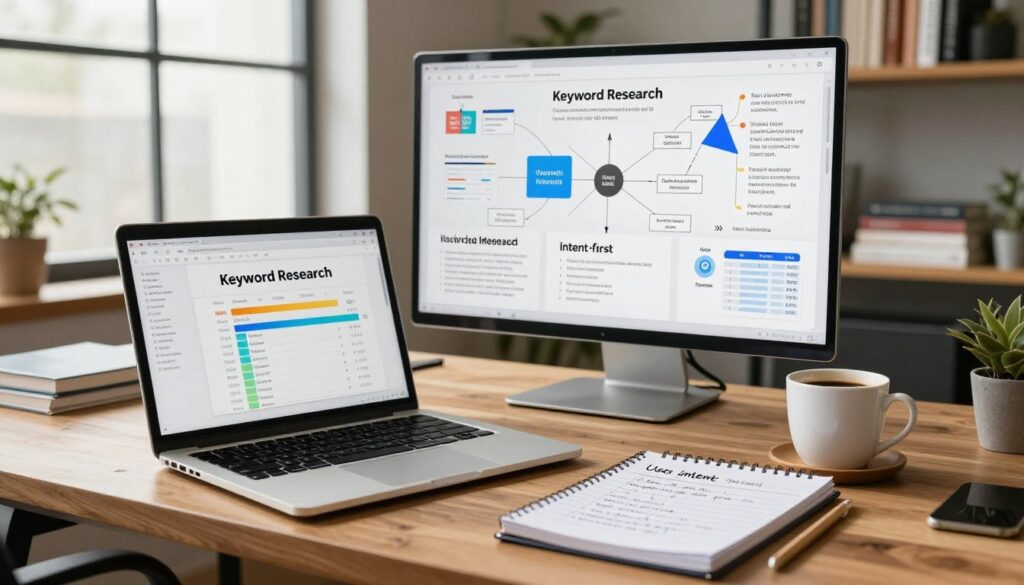
Keyword research is shifting from chasing raw volume to mapping clear intent clusters that guide content choice.
Machine learning and natural language models expand discovery
Modern tools use machine learning and NLP to surface semantic relationships, question variants, and topic adjacency across large data sets.
This lets teams spot meaningful keywords and queries that manual lists miss.
Long-tail and niche queries become higher-leverage
Long-tail keywords often reflect specific user intent and convert better than broad head terms.
Targeting niche queries helps businesses in India capture motivated visitors and reduce competition for generic keywords.
Gap-finding and predictive workflows
Competitive gap-finding uses tools to compare rankings, reveal weaknesses, and pinpoint where your content can be unique.
Predictive analytics spots rising trends so teams publish before peaks, not after.
| Focus | What it finds | Benefit |
|---|---|---|
| Intent clusters | Question groups & task patterns | Better conversion alignment |
| Long-tail discovery | Low-volume, high-specificity queries | Higher click-through and relevance |
| Gap analysis | Competitor weak areas | Opportunity for differentiated content |
“Intent-first research supports better conversion outcomes even when raw traffic is less predictable.”
Applied example: for B2B SaaS security, target a keyword like “how to secure API keys in Postman” instead of broad terms. That approach drives qualified visits and measurable leads for businesses.
Change: Content Strategy Prioritizes Depth, Originality, and “AI-Resistant” Value
Content that delivers provenance, hard numbers, and practical tradeoffs stands out amid short-form summaries.
“AI-resistant” content is not anti-technology; it means creating work summarization cannot replace: novel datasets, transparent methods, and clear judgment.
Original research and proprietary data become differentiators
Surveys, benchmarks, and first-party datasets act as a moat. They earn citations because summaries must point back to sources that produce new information.
Expert-led analysis and experience-driven narratives
Expert opinion and tradeoff analysis add human judgment. Readers and search systems reward perspectives that explain why one approach wins or fails in practice.
Case studies that prove results
Publish a repeatable pattern: Problem → constraints → approach → results → what we’d change. That format is linkable and useful for practitioners.
Practical tip for Indian businesses: include region-specific metrics and operational notes. Local data boosts relevance and lifts visibility for target audiences in India.
Change: On-Page Optimization Becomes Dynamic, Data-Led, and Tool-Assisted
Modern on-page work treats each URL as a living asset. Continuous iteration replaces occasional refreshes, and teams use tools and real behavior data to prioritize changes.
Metadata testing and fast feedback
Generate multiple title and description variants, then run short tests to measure CTR and engagement. Refine these snippets based on search result behavior, referral patterns, and conversions rather than rankings alone.
Readability, structure, and semantic relevance
Clear headers, short paragraphs, and scannable lists help users and search engines parse information quickly. Focus on topic completeness and related concepts instead of repeating one keyword.
Semantic relevance acts as a multiplier: pages that cover adjacent subtopics, definitions, and examples rank more reliably for broader queries.
Image SEO and alt text recommendations
Use tooling to suggest concise alt text and meaningful image tags that reflect the page theme. Proper image descriptions improve discoverability in image search and strengthen topical signals.
Mobile behavior and governance
Prioritize fixes based on scroll depth, rage clicks, and bounce rates from mobile users. These signals point to friction that harms conversions and rankings.
Governance note: keep human review in the loop so optimization improves clarity and trust, not generic copy. Use tools to surface opportunities, but let editors approve final changes.
Change: Authority Signals and EEAT Matter More Than Ever
When answer boxes condense many pages into one view, established sources get priority for citations. That shift raises the bar for brands and publishers who want both clicks and SERP-level influence.
Why trusted sources are amplified
Search engines prefer sources with clear provenance to limit errors. Google’s quality guidelines reward pages that show expertise and trustworthiness. As a result, well-known sites surface more often in synthesized replies.
Backlinks as credibility infrastructure
Think of links not just for rankings but as proof points. A stable backlink profile from reputable domains increases the chance your content is cited or summarized by a search engine.
Operational EEAT checklist
- Named authors and credentialed bios.
- Citations, methodology notes, and update dates.
- Screenshots, step-by-step processes, or field observations to show experience.
- Consistent brand signals across the website and domain-level governance.
Roadmap for businesses: invest in digital PR, collaborate with experts, and publish original research. Authority builds slowly, but that compound effect shields visibility as algorithms change.
Change: Brand Messaging Risks Rise When AI Summaries Misrepresent Context
When summaries pull fragments from many sources, a brand’s message can be flattened or misread. That creates real risk for a business that depends on precise claims and clear positioning.
How misinterpretation happens: models may merge sentences, drop qualifiers, or miss constraints. Fragmented citations and buried differentiators let summaries present simplified facts that confuse the audience.
Example: a February 2025 case showed a high-profile summary quoting an incorrect statistic about Gouda market share. The error became a reputational moment and required an edit to correct the claim.
How to influence summaries
Place your core USPs and definitions near the top of the page. Use a clear H2/H3 hierarchy so extraction favors the correct takeaways. Short, explicit lines make it easier for a search engine to pick the intended message.
Use structured data to reduce ambiguity
Implement Organization, Article, FAQ, and Product schema where relevant. Structured data helps clarify entities and key facts so overviews cite accurate information.
- Monitor branded queries and overview outputs daily.
- Refine pages that are misquoted; highlight constraints and source notes.
Strategic note: clear brand writing and proper schema turn brand clarity into an asset for long-term search results authority.

Change: Visual and Video Content Gains Visibility in AI-Driven Search
Search engines favor video and images for demonstrations, so visual assets often outrank plain text for practical queries. This shift raises the value of producing clear visual guides that match what users want to learn.
Why multimedia rises
Multimedia answers how-to and product-explain queries faster. A short demo or annotated screenshot can resolve a user need that a long article must explain.
Video SEO essentials
- Titles & descriptions: align to intent and primary keywords for better visibility.
- Timestamps/chapters: break content so users and engines find key moments.
- Embed strategically: place videos on relevant pages to boost context and website engagement.
Execution and measurement
Publish a paired article + video to capture both reading and watching behavior. Track impressions, watch time, assisted conversions, and downstream traffic to measure value.
Distribution tip: clip highlights for social media to create extra discovery paths and reinforce brand mentions in search results.
“Start with high-intent topics where visuals materially improve comprehension—setup, troubleshooting, and demos.”
Change: SEO Teams Rely More on AI Tools for Speed, Scale, and Insights
Search and content teams increasingly adopt tools that turn large datasets into clear, actionable next steps. This shift compresses long research cycles so teams move from analysis to execution faster.
Where platforms add the most value
Research and clustering: platforms group related queries and reveal SERP patterns at scale.
Optimization: automated recommendations for titles, headings, and internal links speed up edits.
Audits and technical work: crawling tools flag issues across thousands of URLs in minutes.
Tool landscape and roles
Use Ahrefs or SEMrush for competitive research and tracking. Use Surfer SEO for on-page guidance and Frase for briefs and optimization. Use ChatGPT for quick drafting and ideation, then refine with human review.
Human plus machine collaboration
Governance matters. Define prompts, editorial checklists, and approval steps so output matches brand and EEAT standards.
“Treat tools as a co-pilot: inject proprietary data, case studies, and strong viewpoints to avoid generic, ‘elevator music’ content.”
Workflow example: tool-led SERP analysis → human angle selection → AI-assisted outline → expert review → optimization → refresh cadence. Faster cycles help businesses respond to trends and preserve competitive advantage.
What Stayed the Same: The Enduring Fundamentals Behind Rankings and Visibility
Fundamental ranking signals—relevance, quality, speed, and trust—remain the backbone of good search performance.
Search still rewards relevance
Relevance means solving a user problem clearly. Match intent, use straightforward headings, and surface the answer near the top.
When pages align with what people seek, they earn more clicks and better placement in search results.
Quality content still wins
Useful, accurate, and complete content beats shortcuts. Include examples, data, and clear next steps so readers can act.
Freshness and citation of sources boost trust and usefulness for your target audience in India and beyond.
Technical foundations still matter
Crawlability, page speed, and tidy site structure are prerequisites for visibility. Fix broken links, improve mobile experience, and keep navigation logical.
These elements let algorithms find and index your best content reliably.
Authority is still earned
Mentions, reputable links, and consistent brand signals raise the chance of citation and better rankings. Build relationships, publish original work, and document expertise.
Practical note: tools speed execution, but strategic judgment and trust-building are human-led.
Conclusion
Here we close with an action-focused summary that teams can use to protect traffic and sharpen visibility.
Single takeaway: artificial intelligence has changed how visibility is earned and measured, especially for short informational queries, but it has not removed the need for strong seo and search work.
Four constants remain: relevance, quality, technical excellence, and authority still decide which websites get surfaced and cited by a search engine.
Priorities for 30–90 days: update reporting beyond sessions, refresh keyword research toward intent and long-tail queries, and publish one “AI‑resistant” asset such as original research or an expert-led case study.
Baseline: adopt a consistent tooling stack for research and optimization and enforce human editorial review to protect brand credibility. Clarify USPs early, use a clear page hierarchy, and add structured data to reduce misinterpretation.
Final thought: treat seo as a multi-surface discipline—organic results, synthesized citations, video, and brand mentions working together. The teams that win will pair machine speed with human judgment and adapt faster than the next algorithm update.