



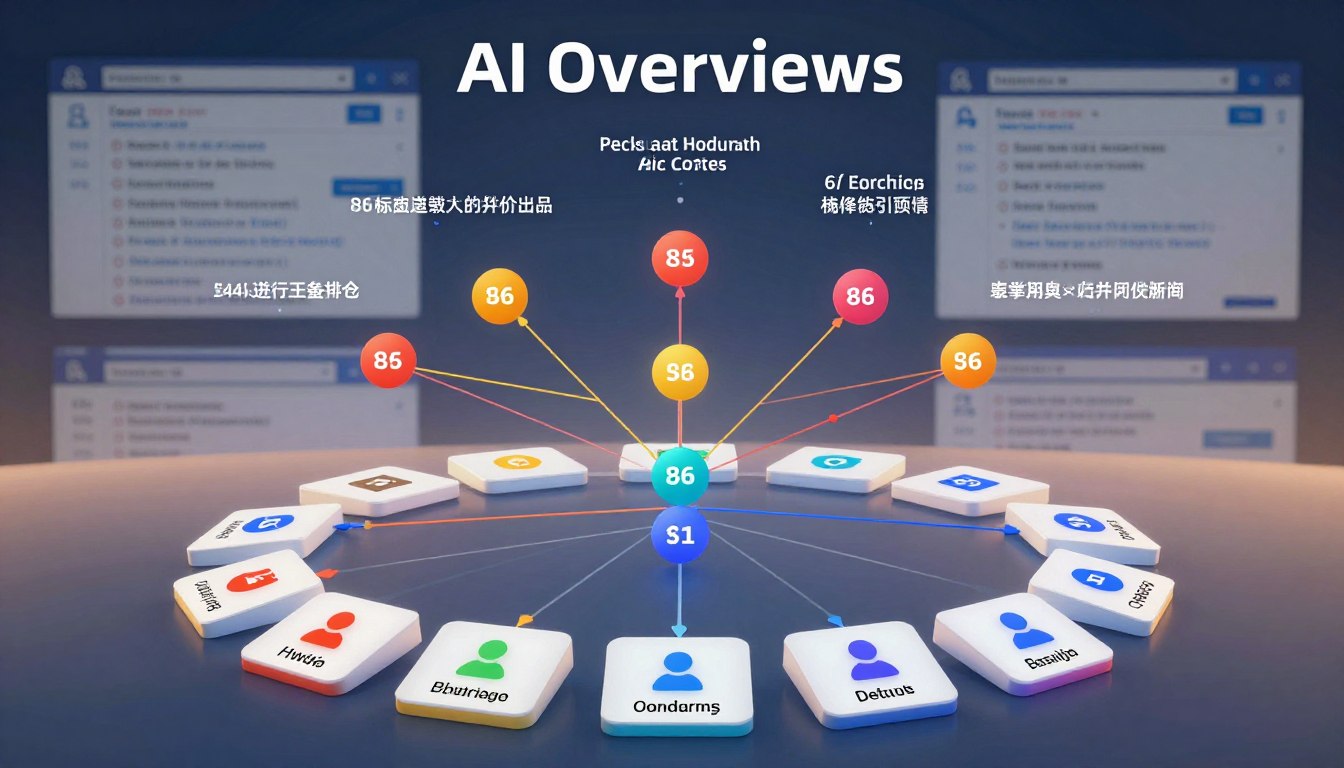



Tracking video activity is essential for any brand in India that wants to protect reputation and grow through digital campaigns.
In practical terms, monitoring YouTube mentions means finding every relevant reference to your brand, product, campaign hashtag, or competitor across youtube videos and turning those hits into marketing, comms, and customer actions.
Manual checks — occasional searches — miss context and speed. A structured approach uses continuous discovery, alerts, dashboards, analytics, and exportable reports to keep teams informed.
Modern solutions spot text in titles, descriptions, and channel names. Advanced platforms can also detect spoken references inside a video, giving a fuller picture of audience reach.
Expect an always-on layer that delivers a steady stream of relevant videos, prioritization metrics, and shareable reporting for stakeholders.
Key Takeaways
- Continuous tracking turns video references into actionable leads and risk alerts.
- Structured workflows beat manual checks for speed and scale.
- Advanced platforms find text and spoken references across the platform.
- Real-time dashboards and exports are core features a professional service must offer.
- Output should include prioritized videos, engagement metrics, and stakeholder-ready reports.
Why YouTube mention monitoring matters for brands in India
A fast, local approach to spotting video-driven conversations gives Indian brands a clear edge in reputation and reach. High-reach video channels can change public opinion in a single day, so response time matters.
Protect brand reputation with faster responses to conversations and comments
Early detection helps teams find negative coverage and reply before issues escalate. That limits damage and lets teams amplify supportive content.
Spot opportunities to join trending topics and improve marketing outcomes
Seeing trends early lets marketing teams create timely content that fits the moment. Joining a trend with relevant creative boosts reach and campaign ROI.
Support product launches with real-time feedback and customer insights
Real-time discovery surfaces what customers praise or question about a product. Teams can fix confusion, log repeated objections, and adapt messaging fast.
| Use Case | Benefit | Team | Metric |
|---|---|---|---|
| Reputation triage | Faster response | PR / Brand | Response time (hrs) |
| Trend engagement | Higher campaign reach | Marketing / Performance | Engagement lift (%) |
| Product launch feedback | Better product-market fit | Product / Customer | Issue resolution rate |
“Cross-team visibility reduces fragmented decisions and builds stakeholder confidence.”
Monitoring YouTube mentions with real-time discovery and alerts
Catching video references quickly starts with continuous scanning of titles, channel metadata, and descriptions across high-impact channels. This discovery layer indexes new posts and flags matches to your keywords within minutes.

Track titles, channel names, and descriptions
Core discovery scrapes title text, channel names, and video descriptions so you see direct references fast. That covers most surfaced content and helps prioritize high-reach posts.
Listen for spoken keyword references
Metadata-only searches miss verbal callouts. Advanced listening tools transcribe audio and detect spoken keyword usage inside videos. This finds untagged brand talk and earned coverage.
Alerting workflows and freshness
Route critical hits by email for immediate action and use Slack-style alerts for team triage and handoffs. Feeds can surface new videos within minutes, giving comms teams visibility within hours to prepare statements and approvals.
Tune alerts by assigning instant notifications for high-severity keywords and daily digests for low-priority topics. Then map each alert to an owner and SLA so response is swift and consistent.
Set up keyword searches that find the right videos, fast
Start by designing searches that surface the exact videos your team can act on within minutes. Keep queries focused so the feed delivers usable hits, not noise.
Build keyword lists for brand, product, competitors, and campaign terms
Begin with official brand and product names. Add common misspellings, campaign tags, and key competitor names for share-of-voice context.
Organize lists by intent: brand safety, campaign tracking, competitor listening, and product feedback. That keeps each search clean and actionable.
Use Boolean search to refine results across title, description, and metadata
Boolean lets you combine terms and exclude ambiguous phrases. Target title OR description fields to focus on explicit references. Use quotes for exact phrases and minus signs to drop false positives.
Monitor specific channels or expand coverage across broader conversations
Track priority channels like partners and top reviewers for high-impact hits. Expand to broader channels when you need long-tail content and trend signals.
“Start small, validate fast, then scale queries to reduce false positives.”
FAQ: How many keywords to start with? Try 30–50 varied terms. Validate results in week one and prune or add based on false positives and missed hits. Good setup speeds triage, improves reporting, and surfaces campaign opportunities.
Analyze YouTube data and engagement analytics to prioritize what matters
Prioritize by momentum: combine view velocity, likes, and comment growth to spot which videos are gaining steam and need action now.
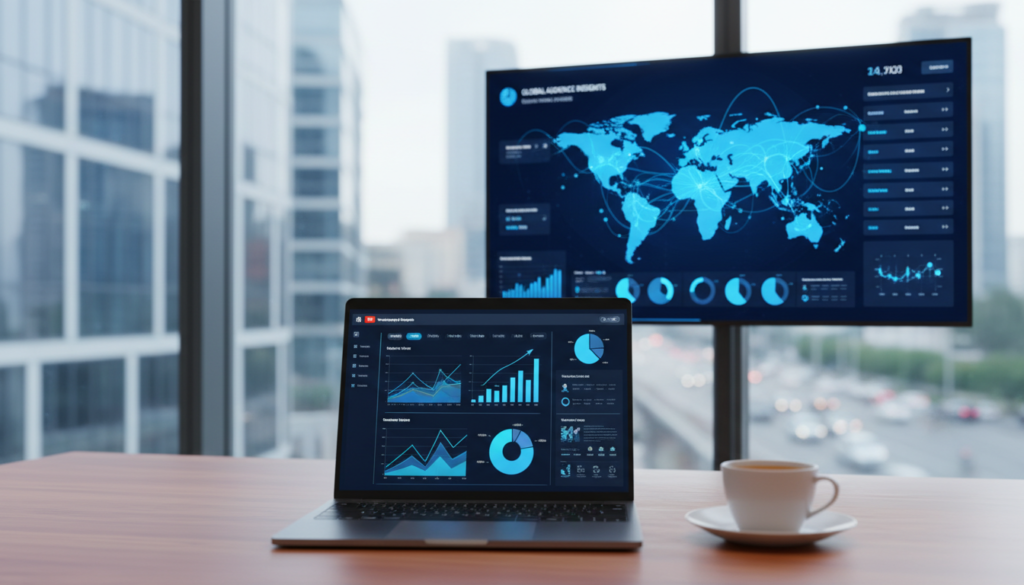
Measure views, likes, and comments over time
Track trends daily to see if a video is accelerating or losing pace. Rapid rises in views and likes usually signal broader reach and higher risk or opportunity.
Sort and filter for quick triage
Use Most Recent to catch new posts. Sort by Views, Likes, or Comments when you must focus on reach and engagement. That makes operational triage fast and repeatable.
Unify signals with dashboards and historical benchmarks
Place youtube videos feeds alongside web articles and social listening streams. Pull up to five years of historical data to set realistic KPIs for India campaigns.
| Use | Metric | Why it matters |
|---|---|---|
| Prioritization | View velocity, Likes | Identifies high-impact videos fast |
| Triage | Most Recent, Comments | Early detection and response |
| Benchmarking | Historical data, Social listening | Sets campaign thresholds and media goals |
“Consistent analytics and clear prioritization keep teams decisive under pressure.”
Turn mentions into action with insights, influencers, and reporting
Use signal-driven insights to move fast—identify creators, assess competitors, and generate reports that drive decisions.
Find creators and shortlist brand ambassadors
Scan high-engagement channels to spot influencers with real audience interaction. Prioritize creators by view velocity, comment quality, and topical fit.
Benchmark competitors and content gaps
Run routine competitor tracking to measure share of voice and reveal content gaps. Use those gaps to shape campaign briefs and placement choices.
Share concise, stakeholder-ready reports
White-label PDF reports give leadership brief summaries: top mentions, engagement metrics, and recommended actions.
- Export raw data to Excel for manual review.
- Provide JSON for engineering and data pipelines.
- Offer PDF for quick executive sharing.
Connect outputs into existing workflows
API-ready outputs let teams push hits into ticketing, CRM, or an internal system so a mention becomes a tracked task.
“Close the loop: use insights for outreach, measure impact, and re-run discovery to validate results.”
Commercial note: evaluate pricing on coverage, real-time discovery, spoken reference depth, export/API access, and team features. Closed-loop execution and easy integrations are part of operational maturity in a social listening platform.
Conclusion
An end-to-end process ties fast discovery to owner-assigned actions and measurable reports that guide decisions.
Start with focused keyword searches, refine with engagement analytics, and operationalize findings via exports, alerts, and integrations. This framework speeds response cycles and sharpens campaign timing for brands in India.
Evaluate options with a short trial or demo to validate coverage, alert quality, and reporting fit for your team. Assign who handles high-risk video hits, who engages creators, and who reports outcomes.
Use customer feedback and ongoing insights to refine messaging, creative, and products. Stay current: early signals and timely action help you shape narratives before they harden in the news.